Client and program
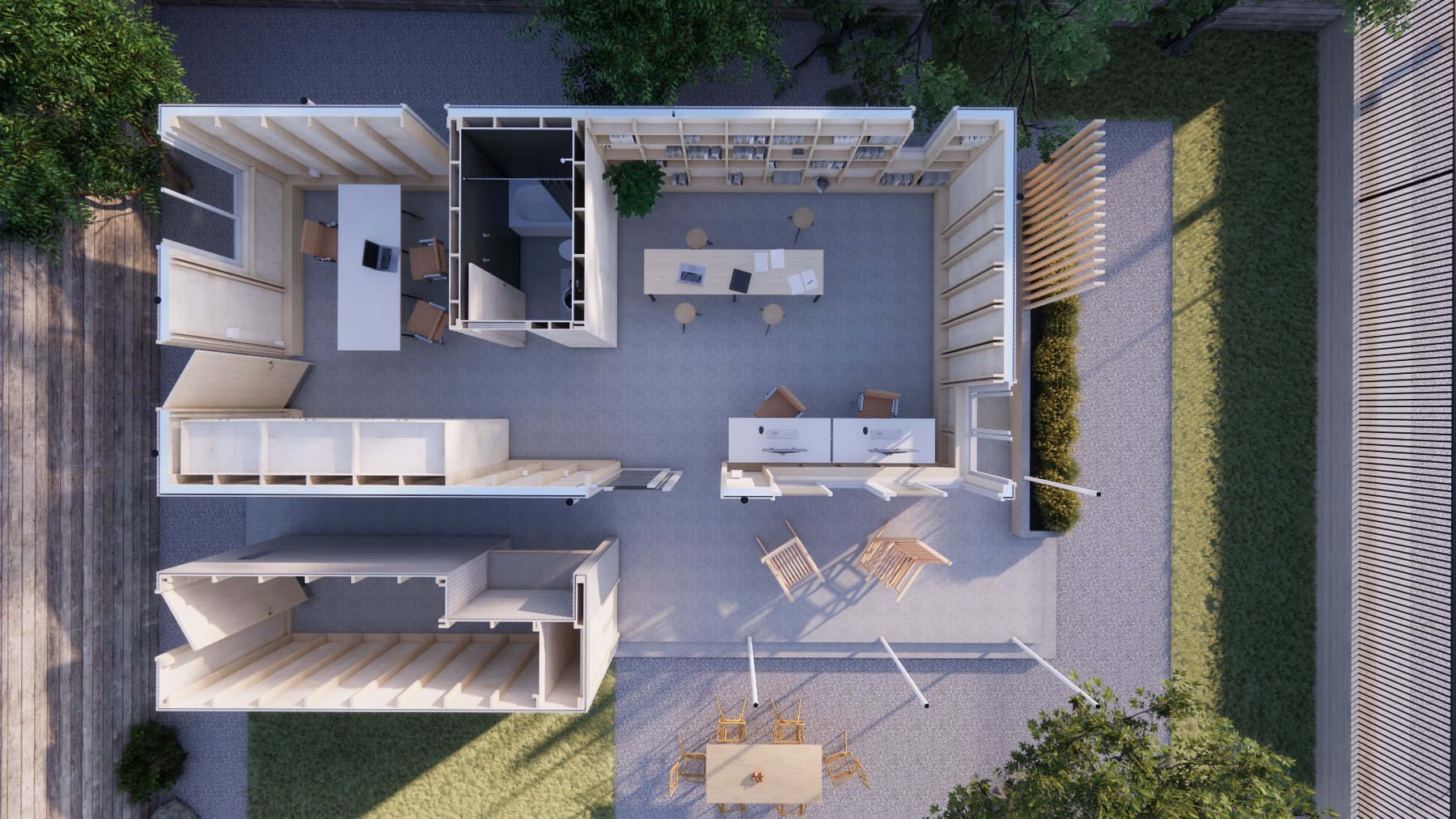
The studio designed its own headquarters with a brief written backwards from a hypothesis: that a small commercial building can be built without cavity walls, can read as architecture rather than as construction, and can be detailed so that conversion to a residence — should the practice eventually outgrow the lot — requires no demolition. One thousand square feet, two work zones, a small meeting area, and the ability to keep the team productive while the wider studio grew.
Site and constraint
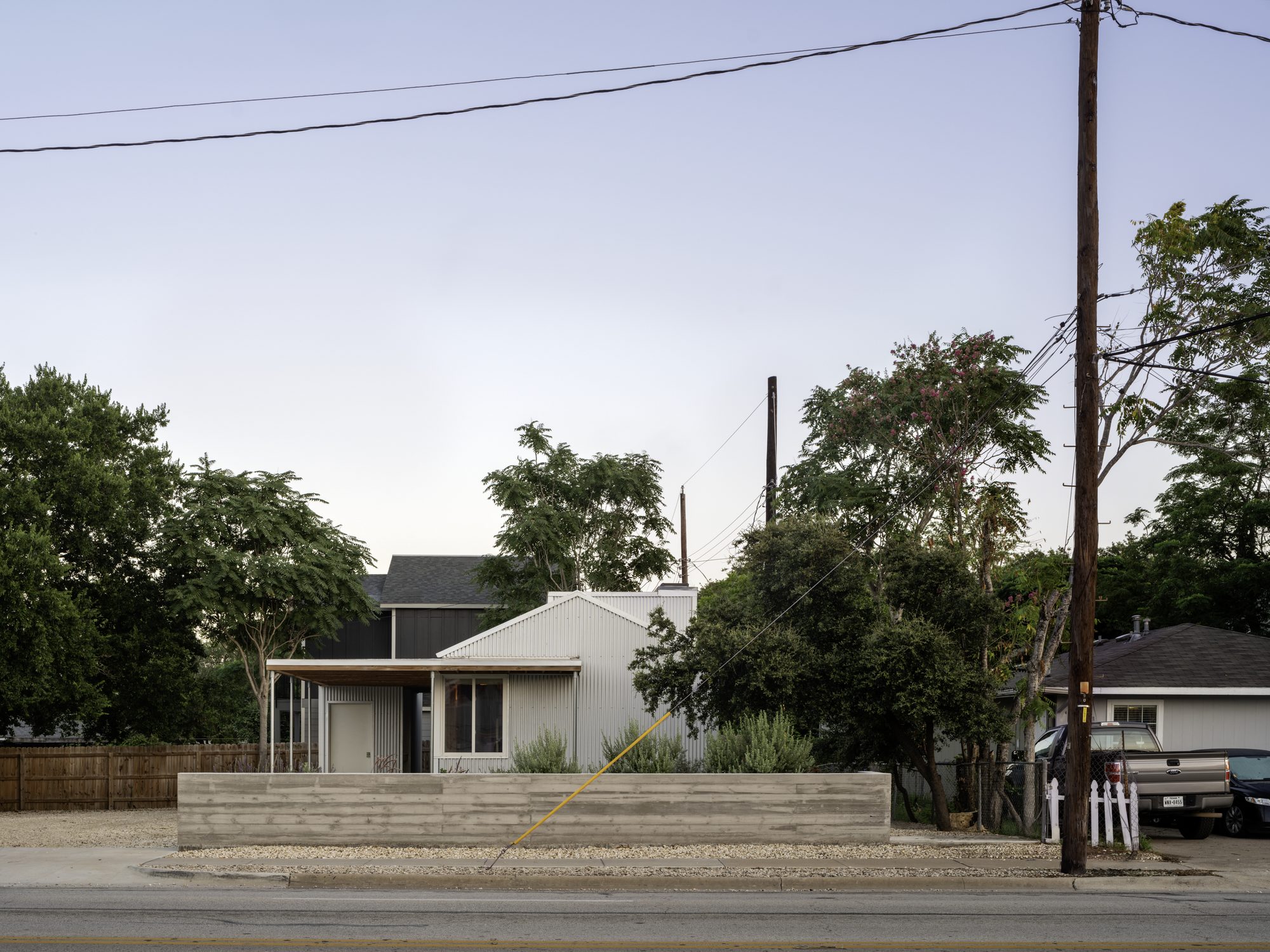
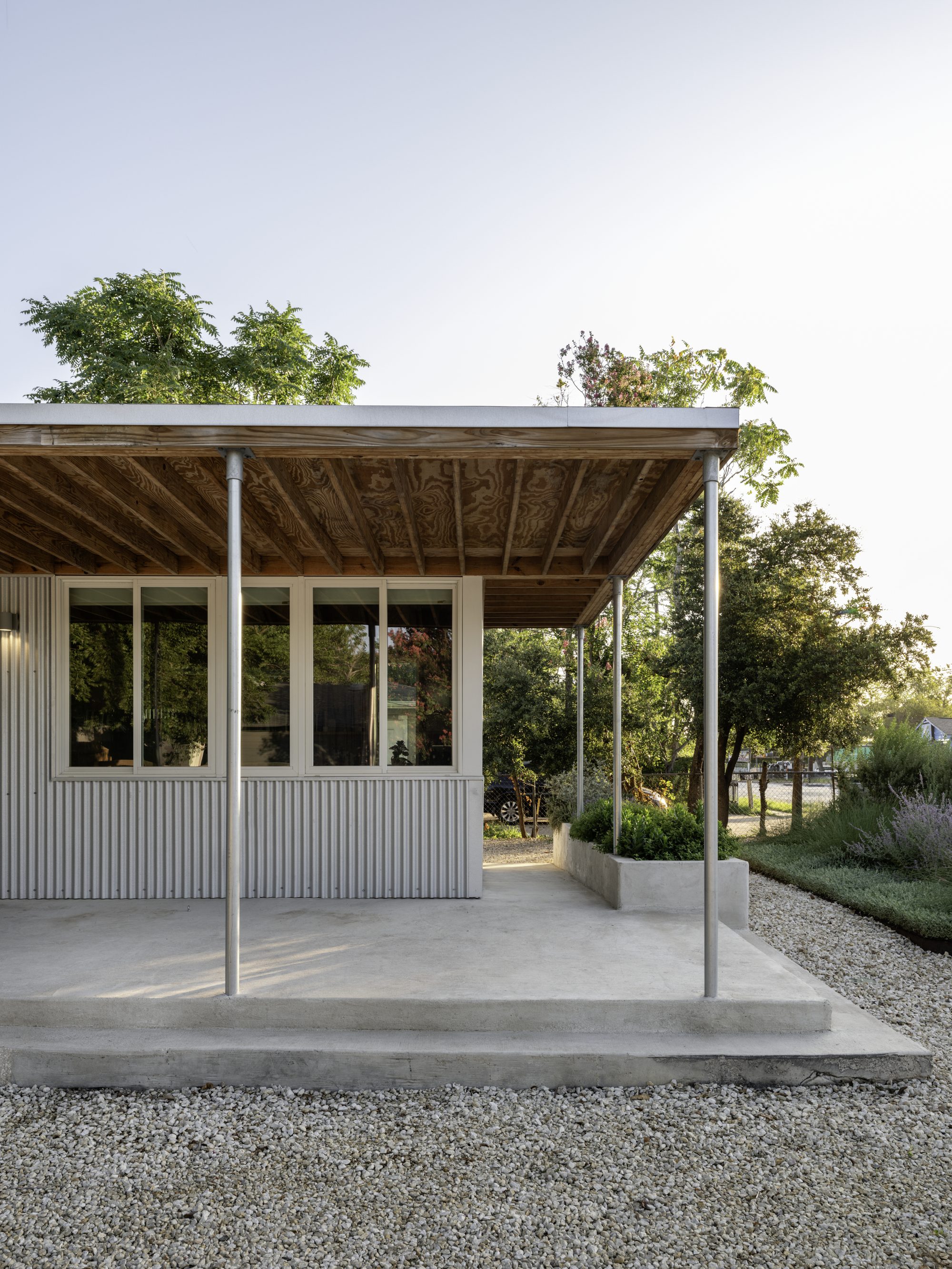
The site is a corner lot in Austin’s Montopolis neighborhood, surrounded by mid-century single-family houses. The constraints were budget (a real one — this was a self-funded prototype), the scale of the surrounding fabric, and a skeptical building department whose familiarity with conventional stick-built assemblies did not extend to the cavity-free wall section we wanted to test.
Design move
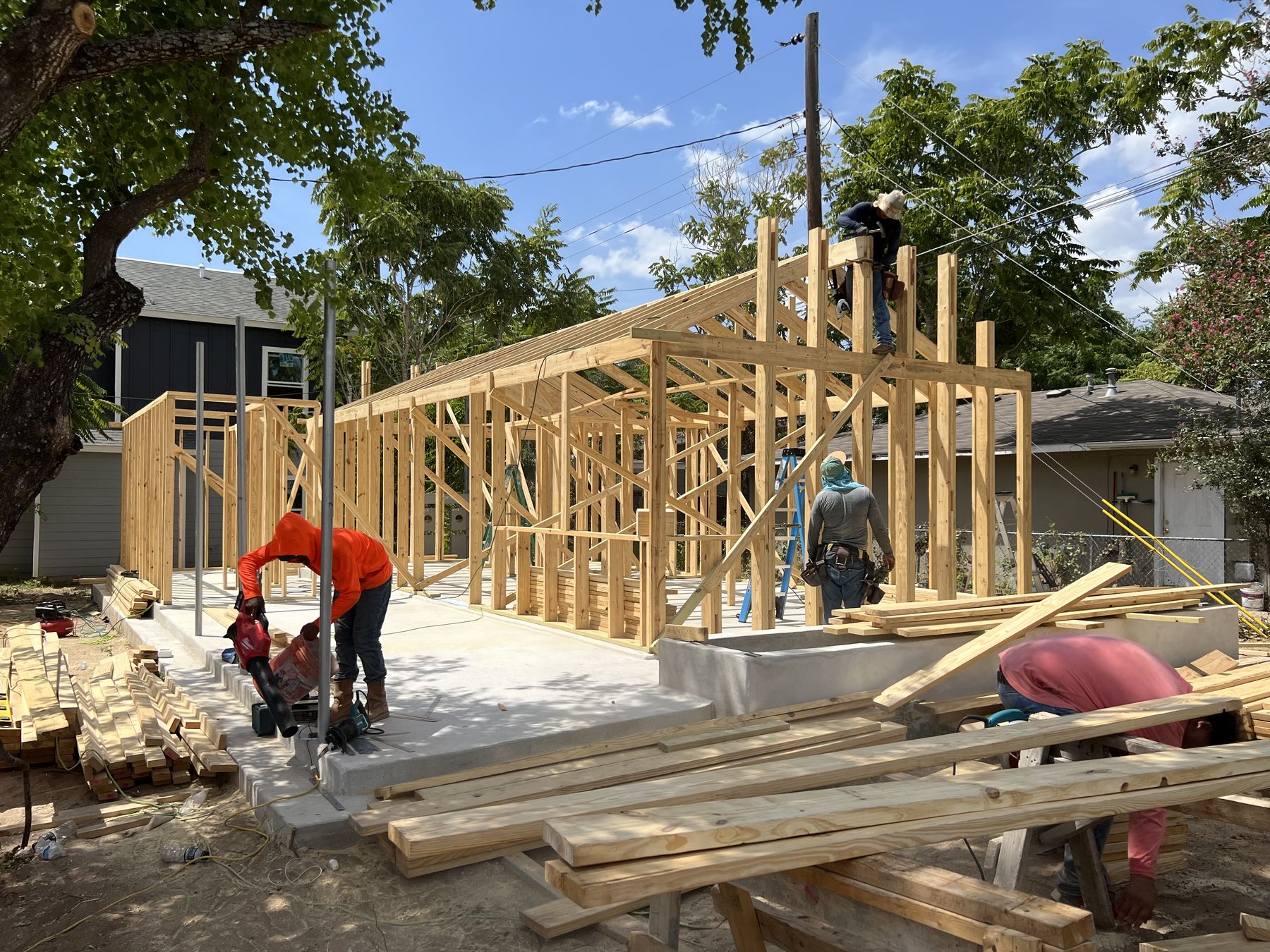
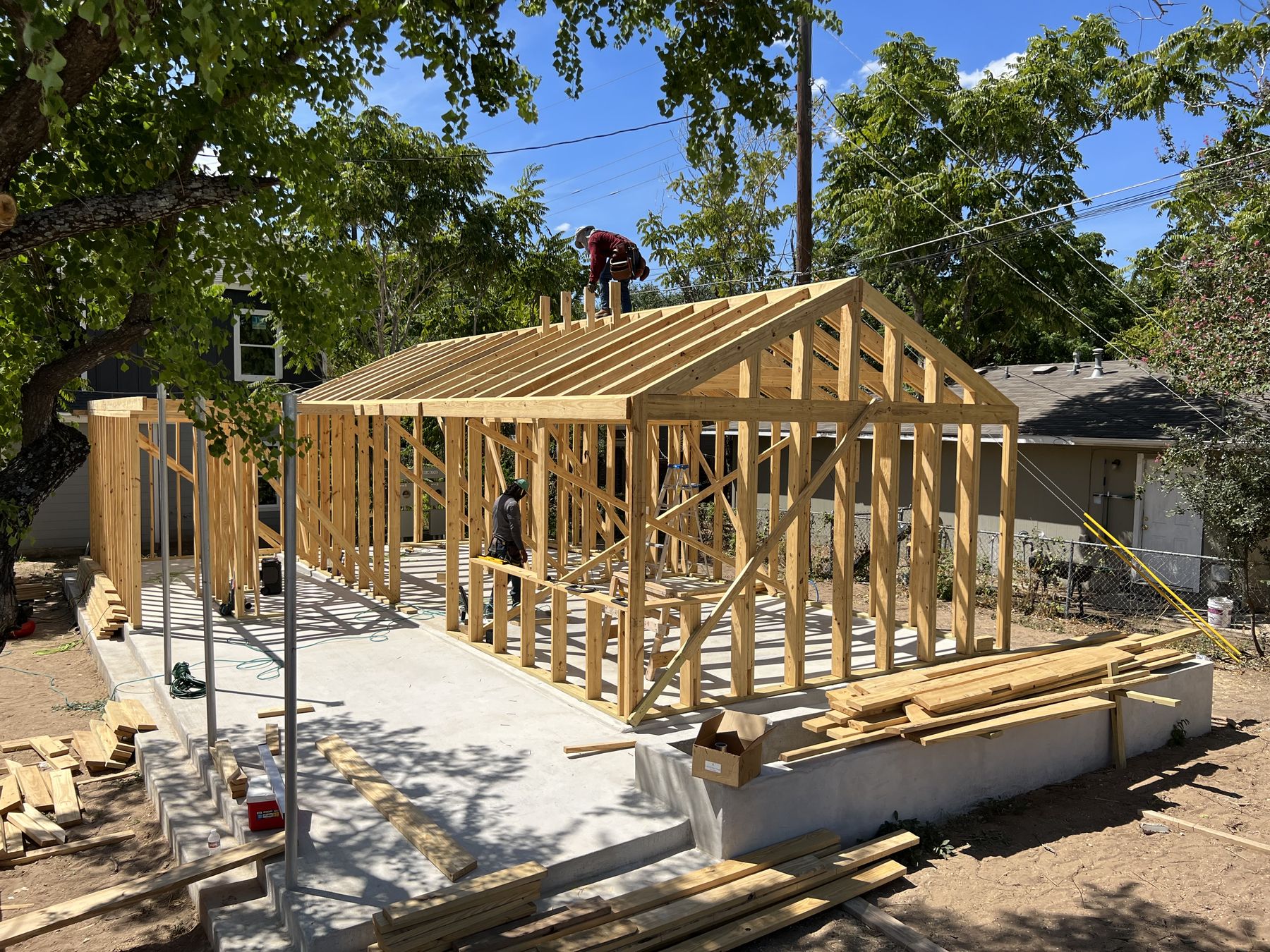
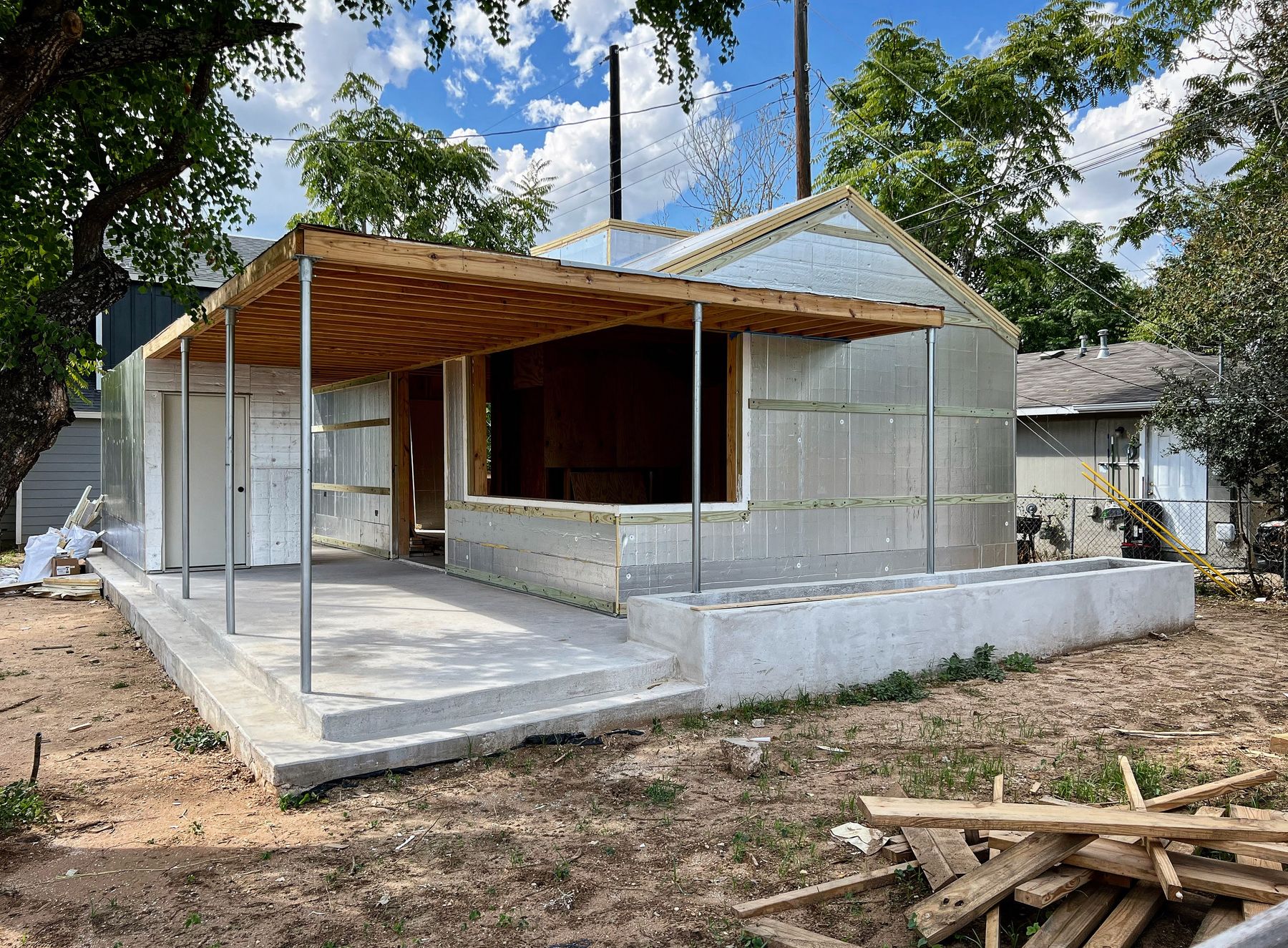
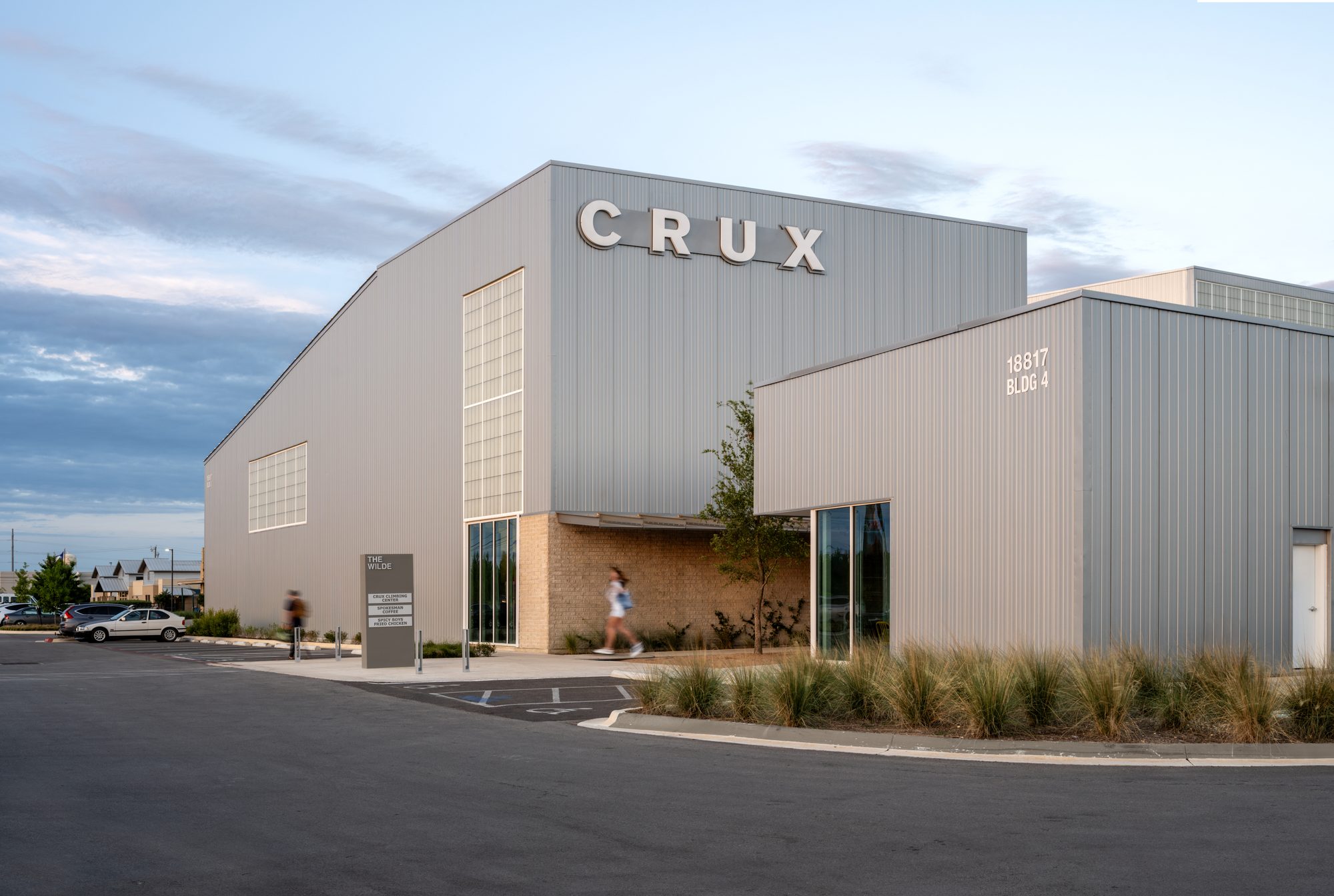
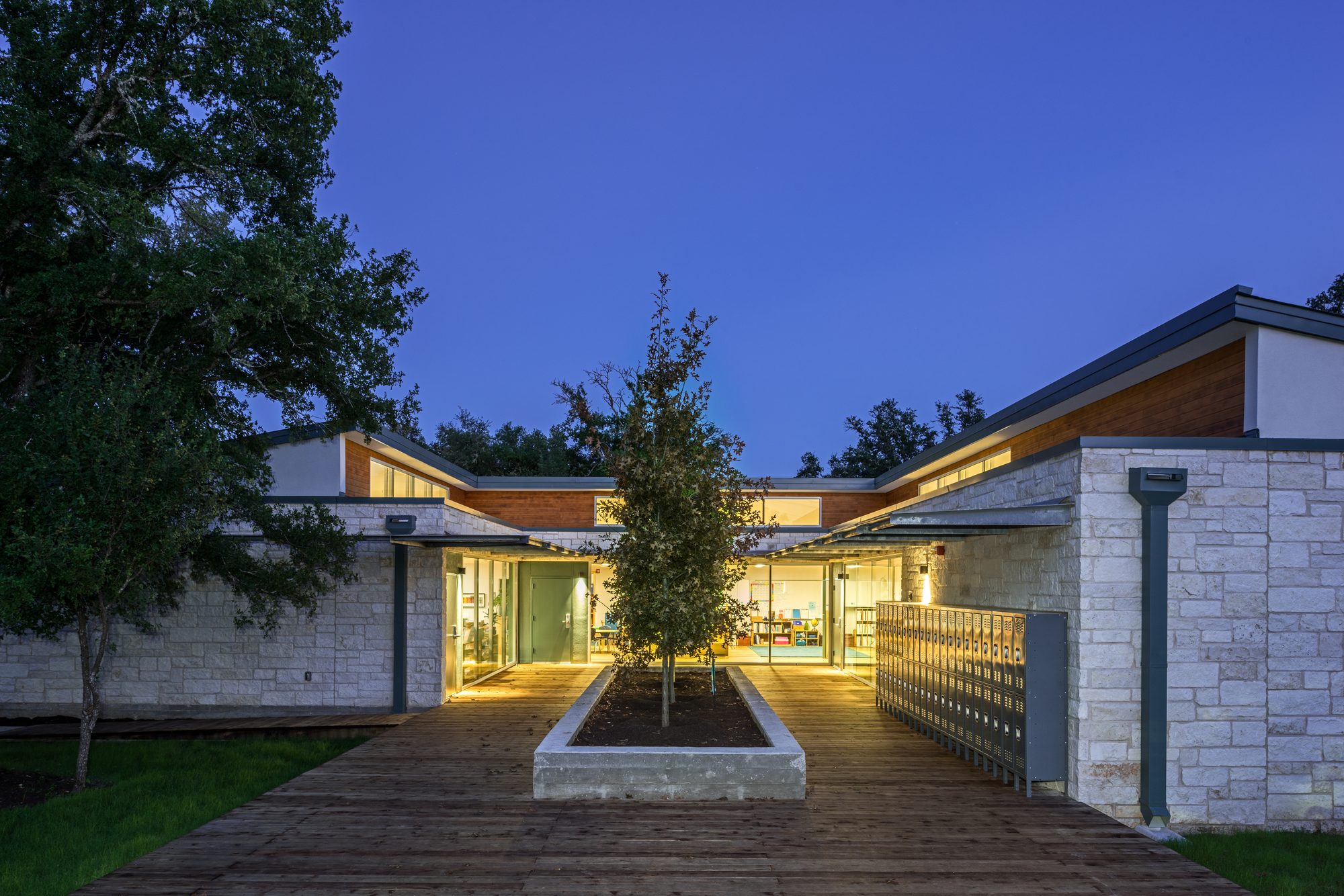
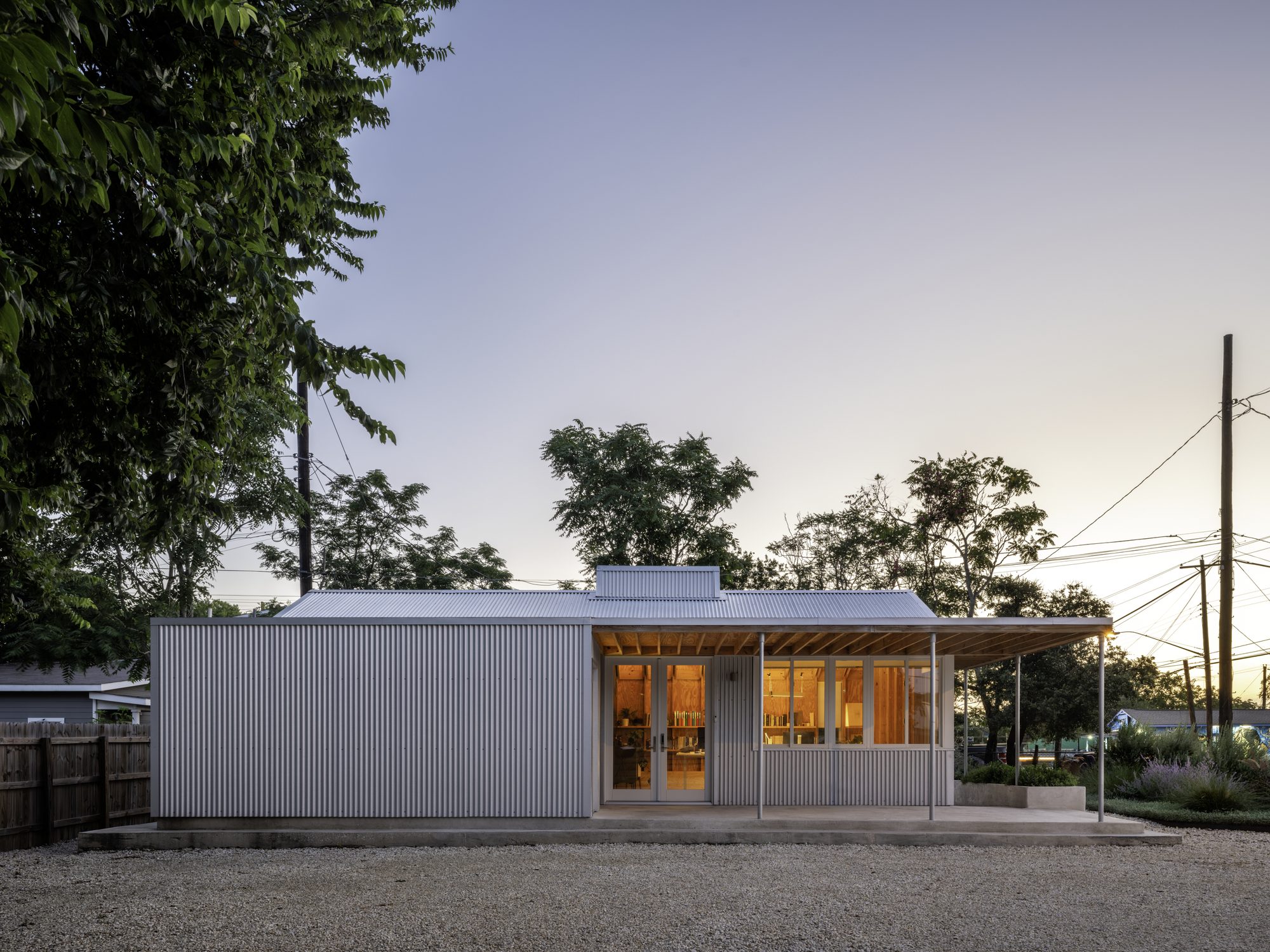
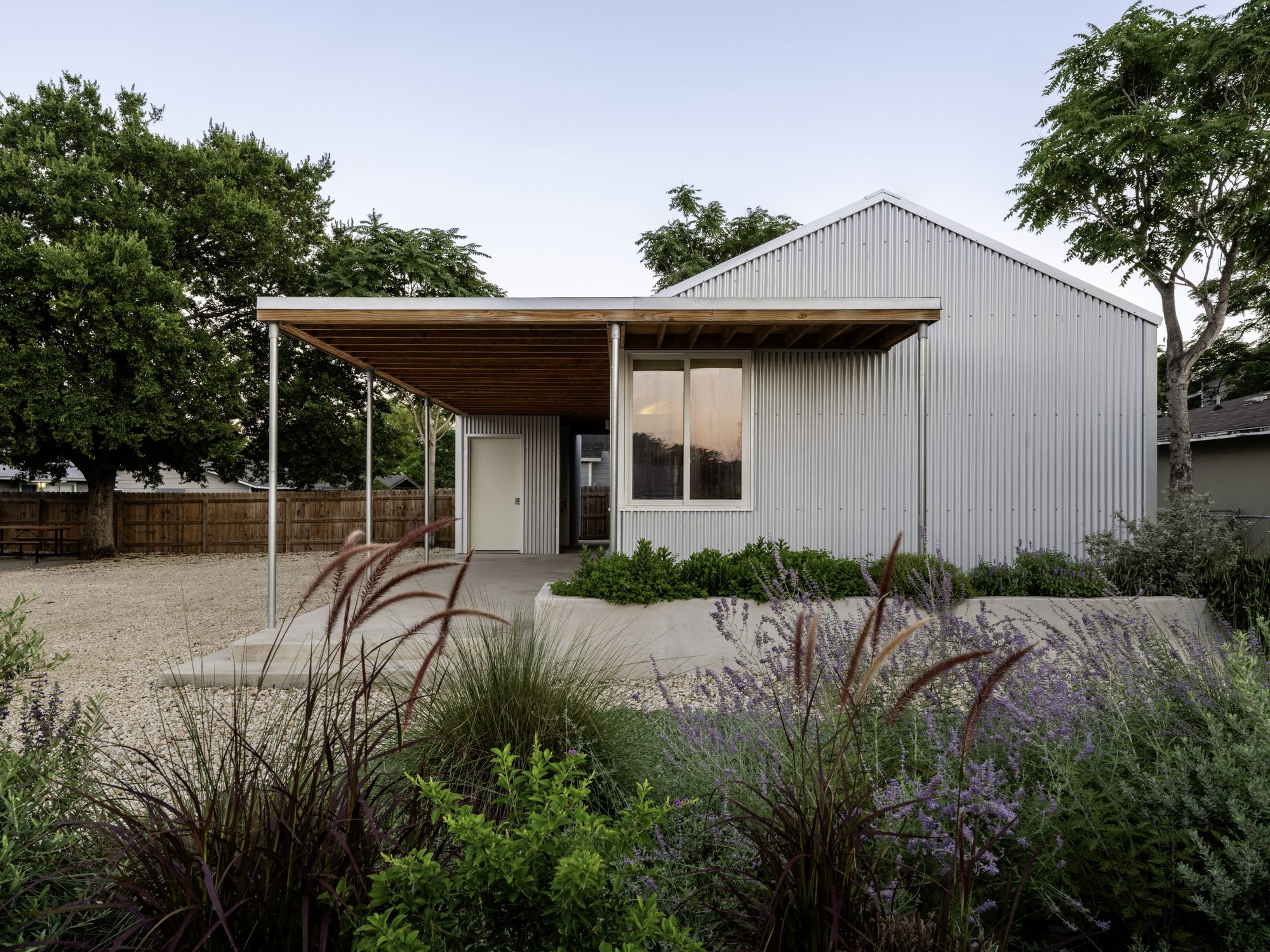
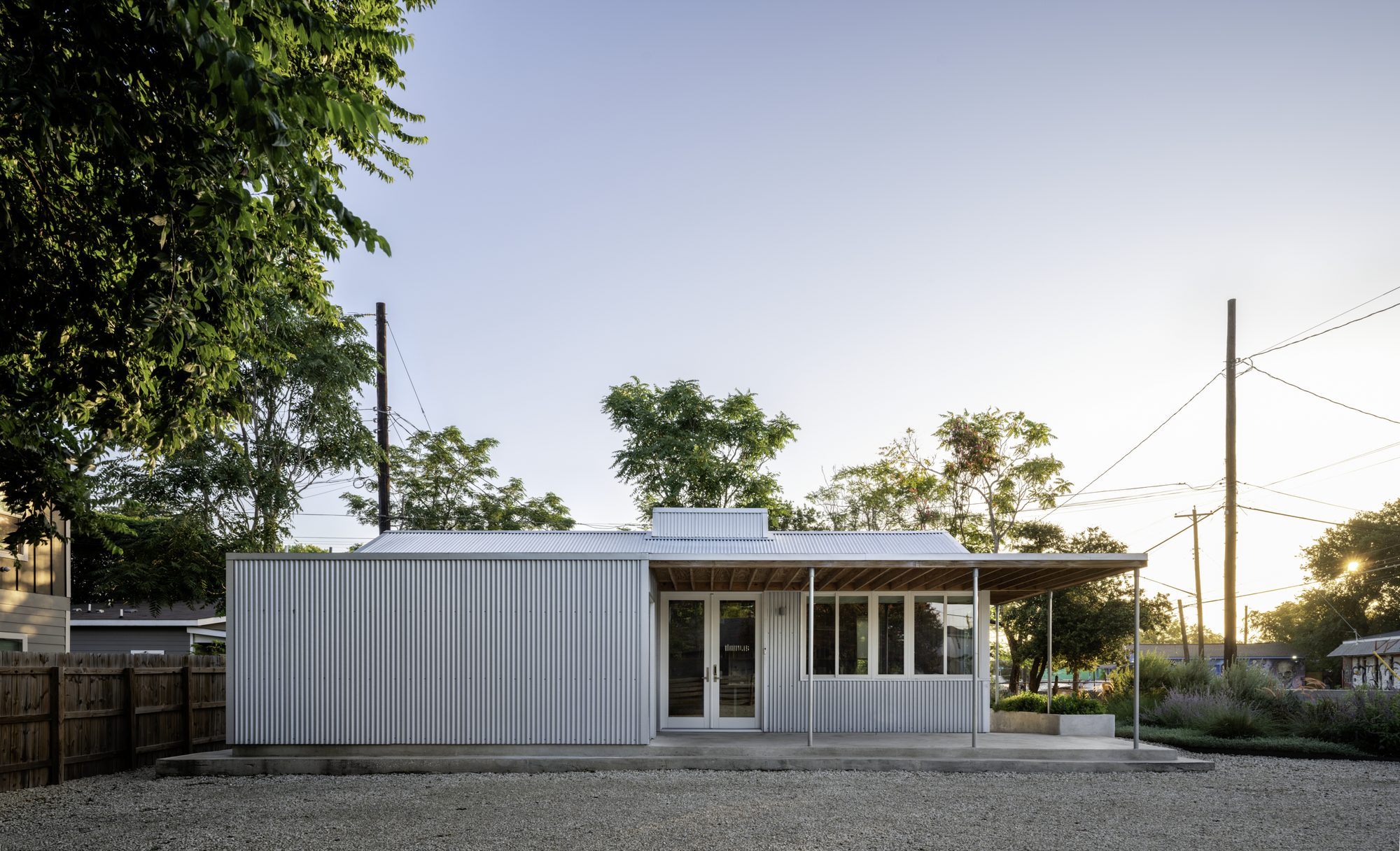
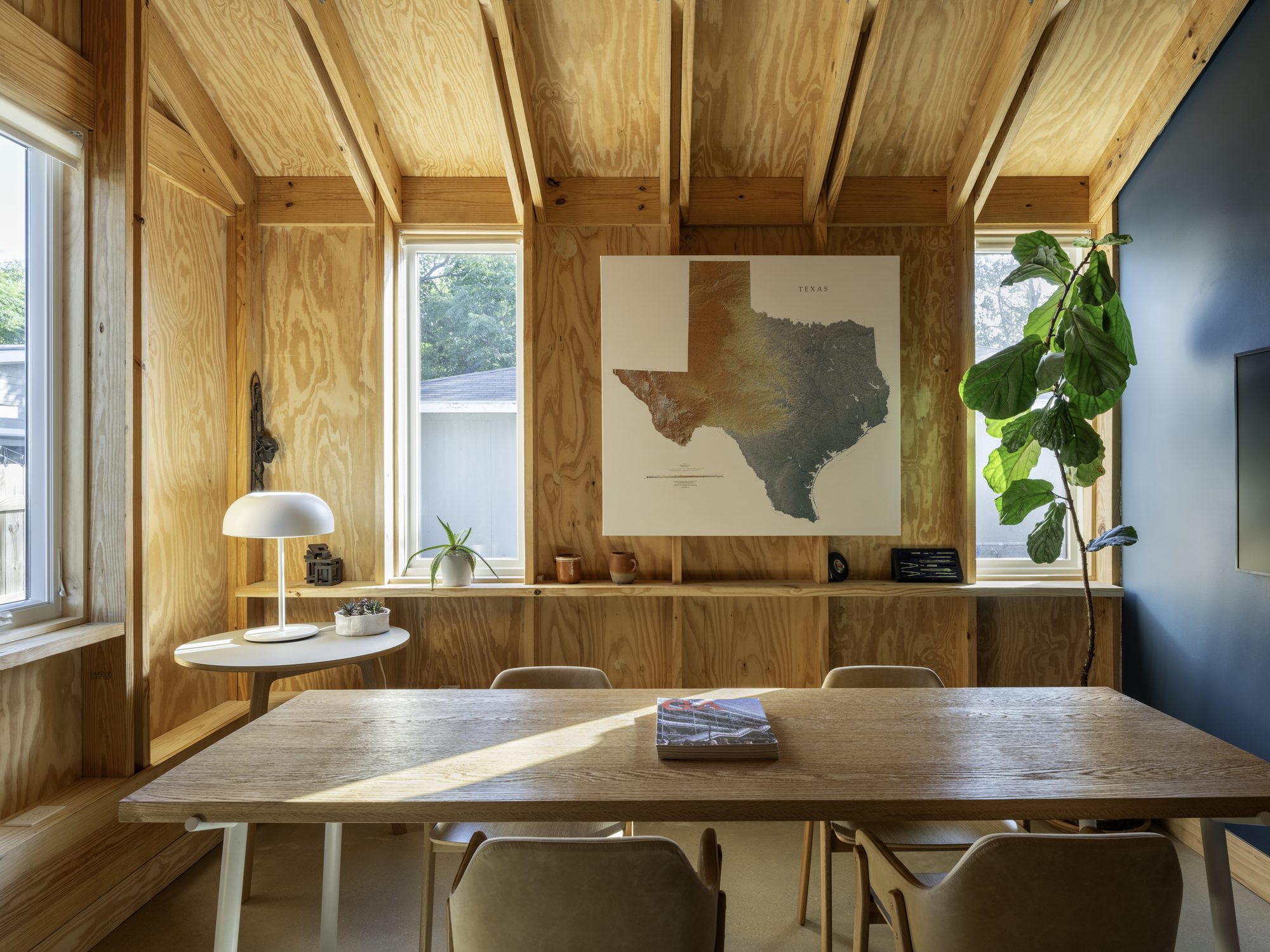
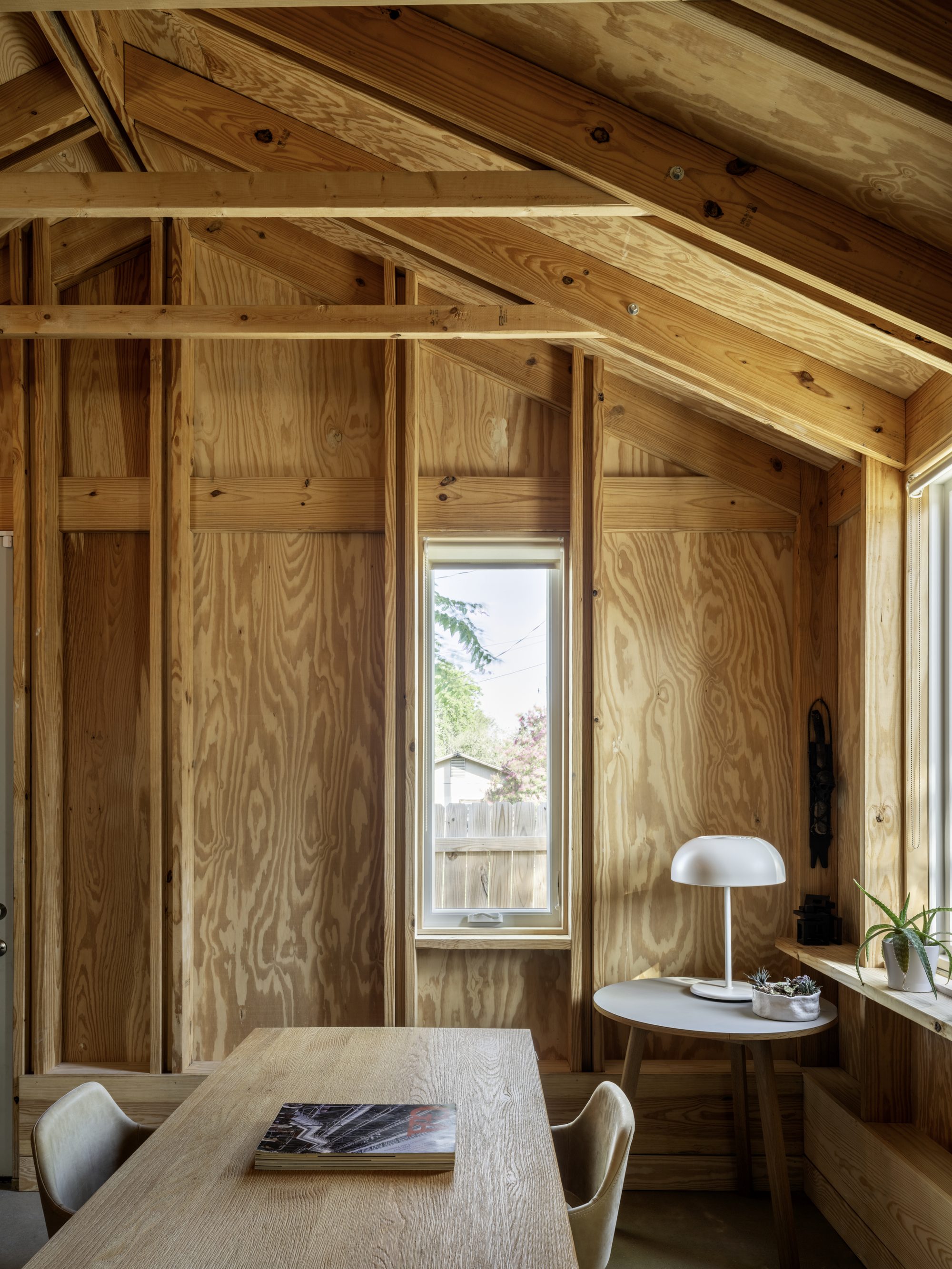
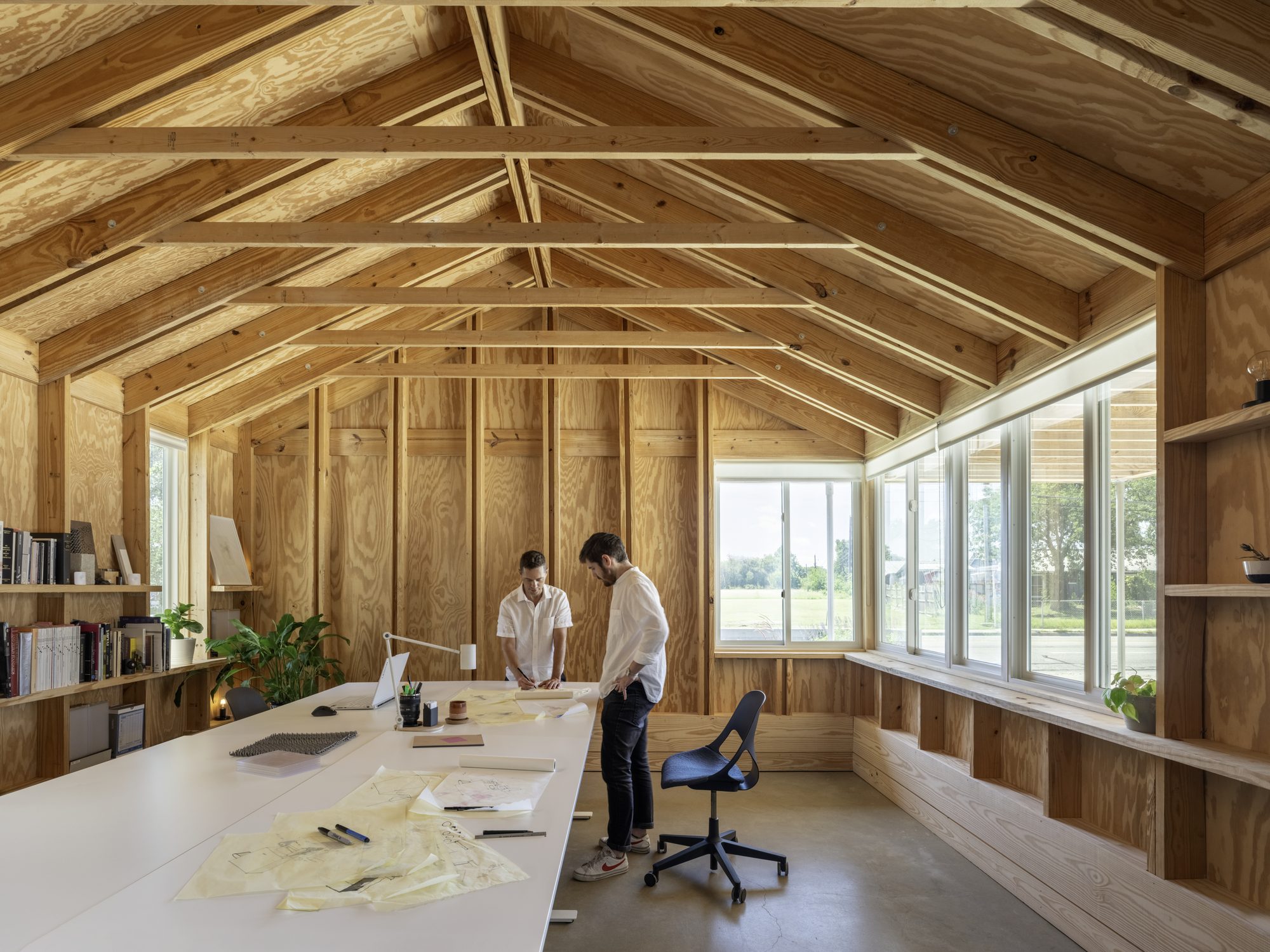
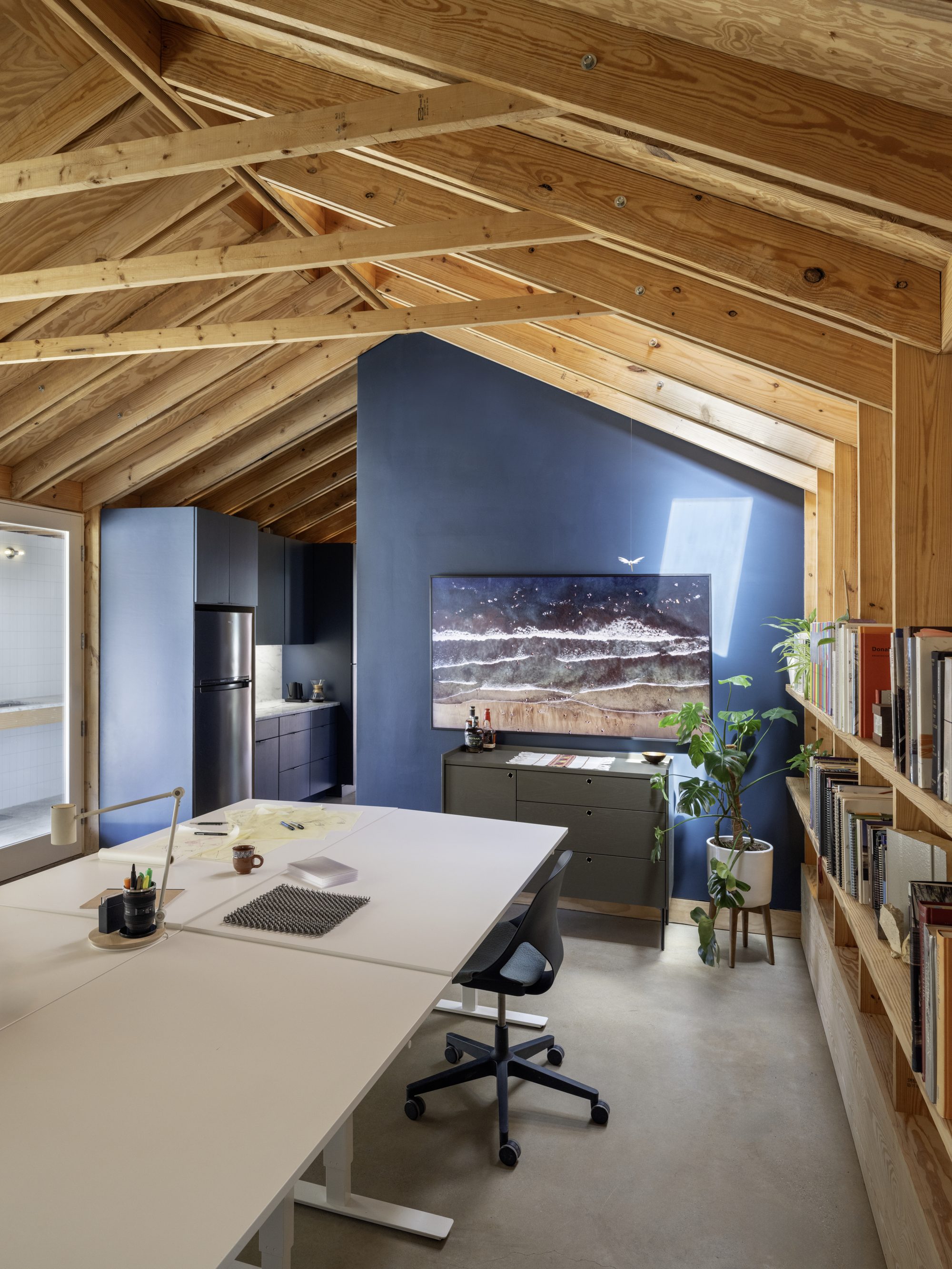
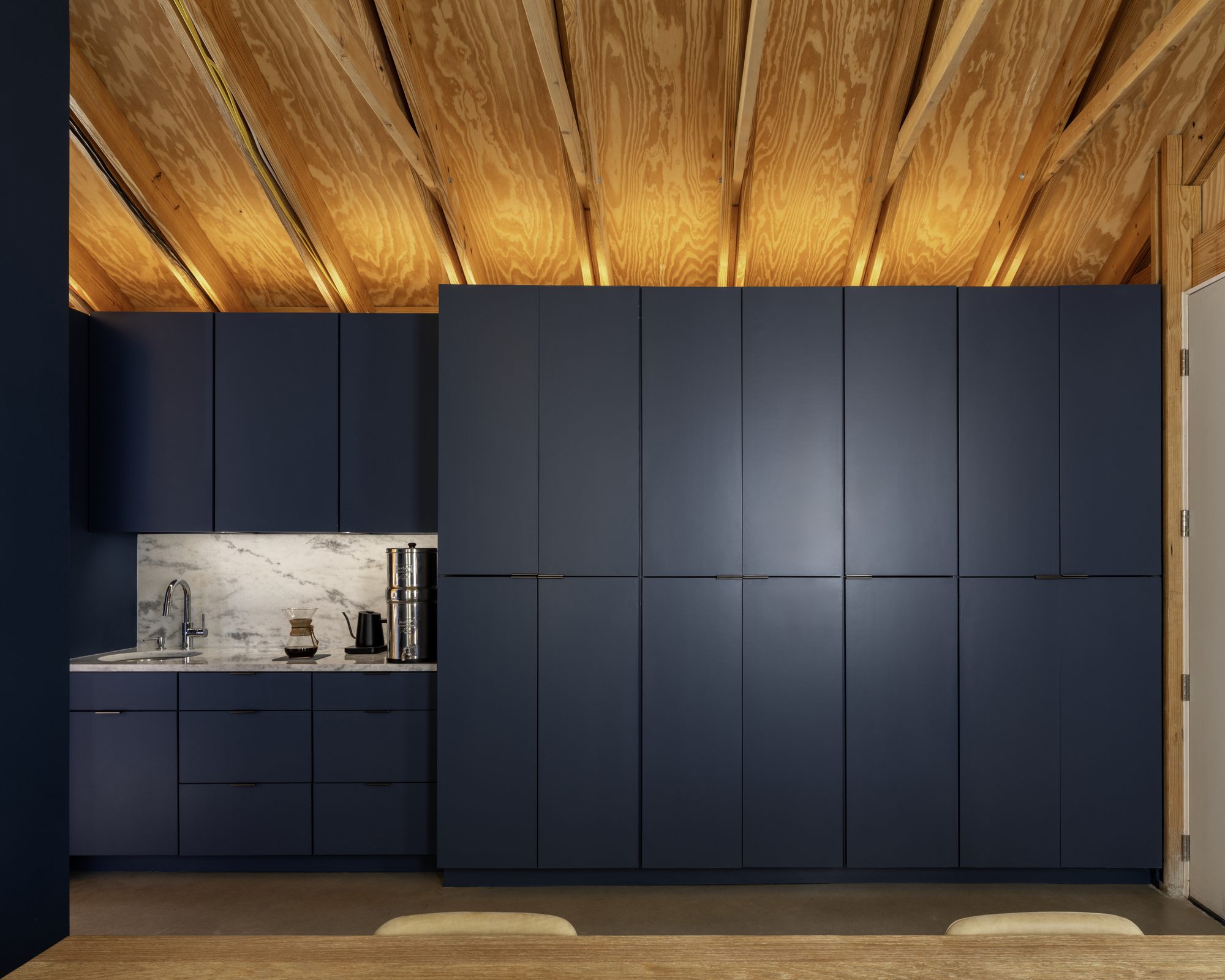
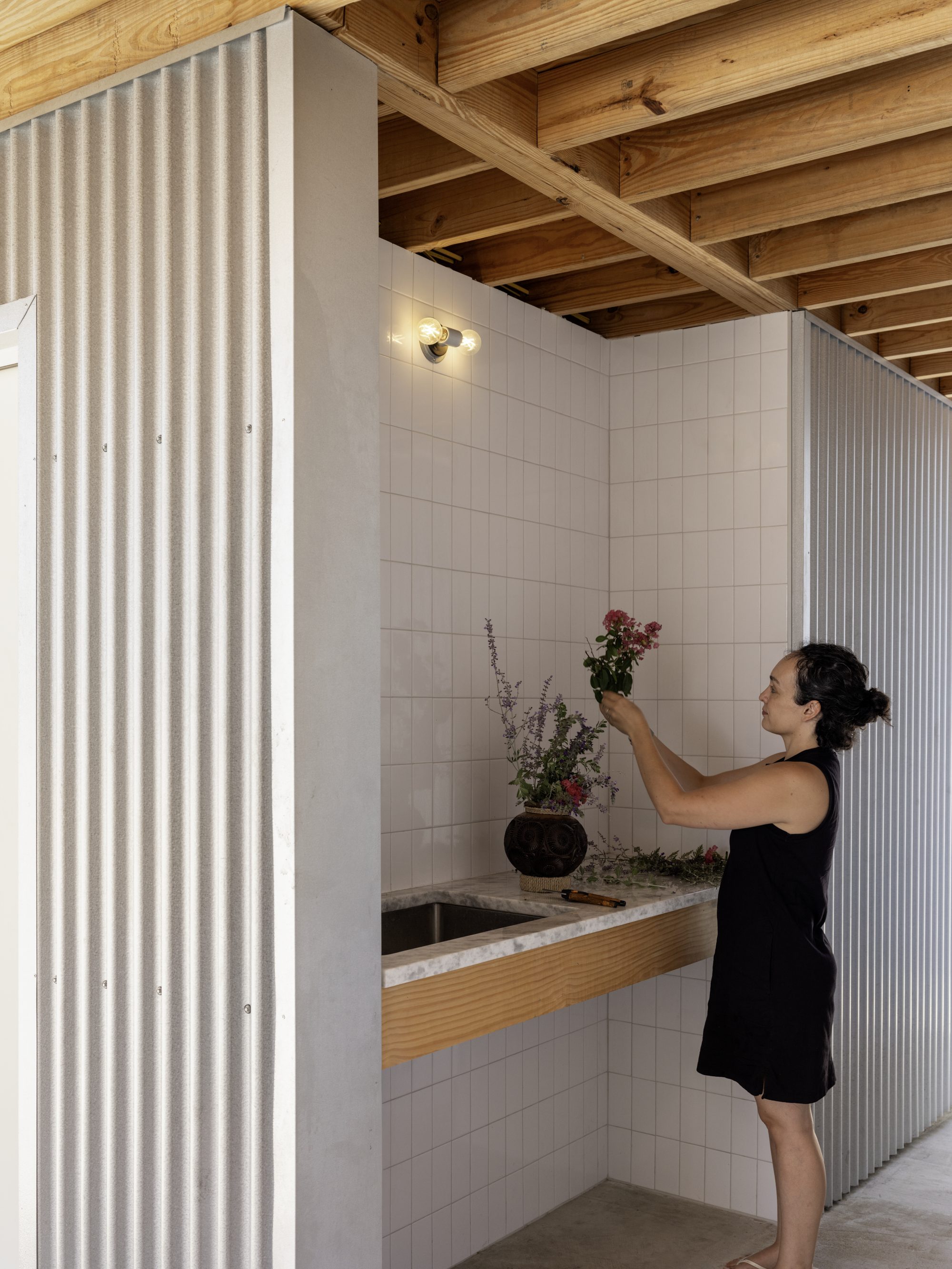
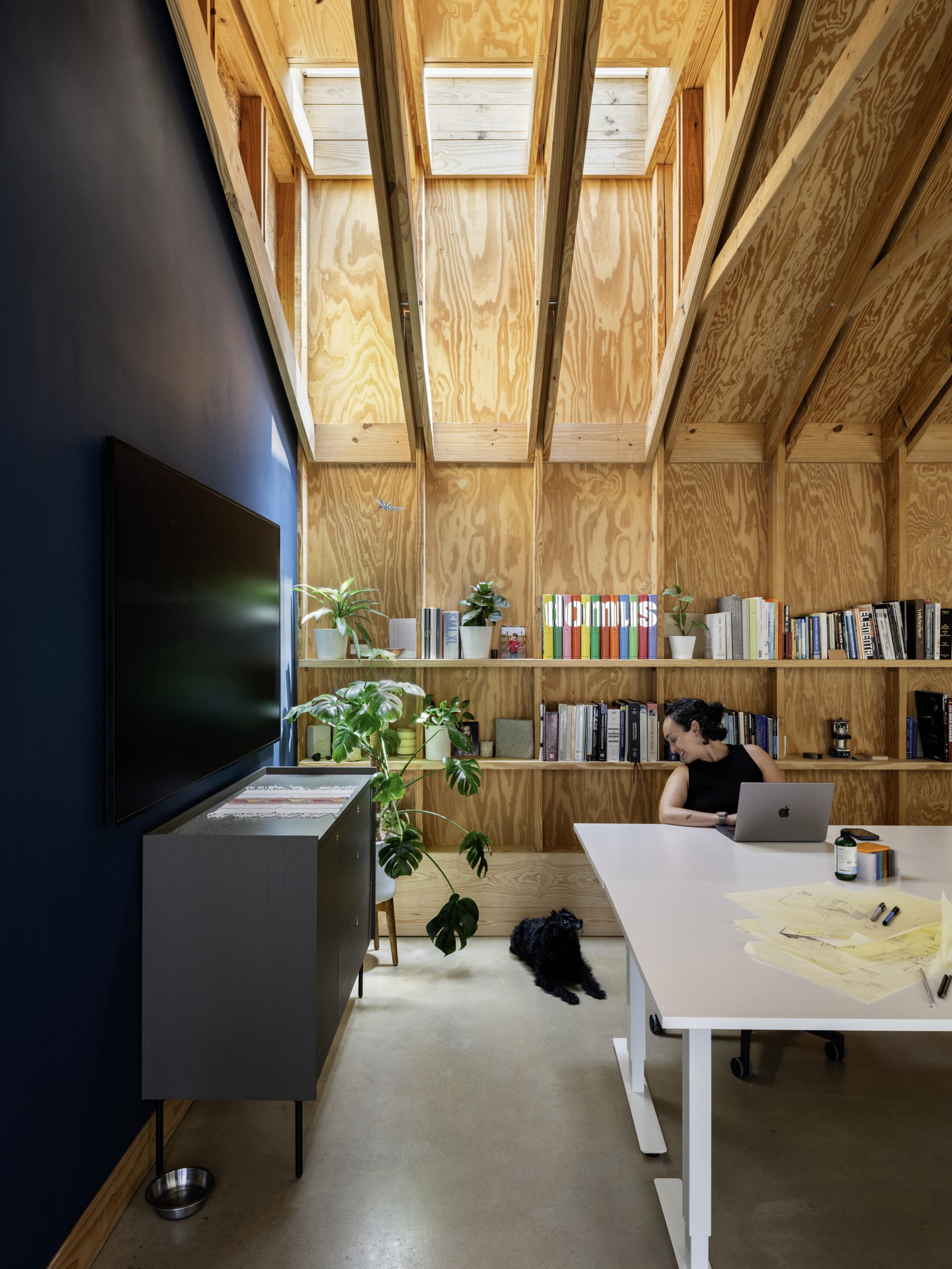
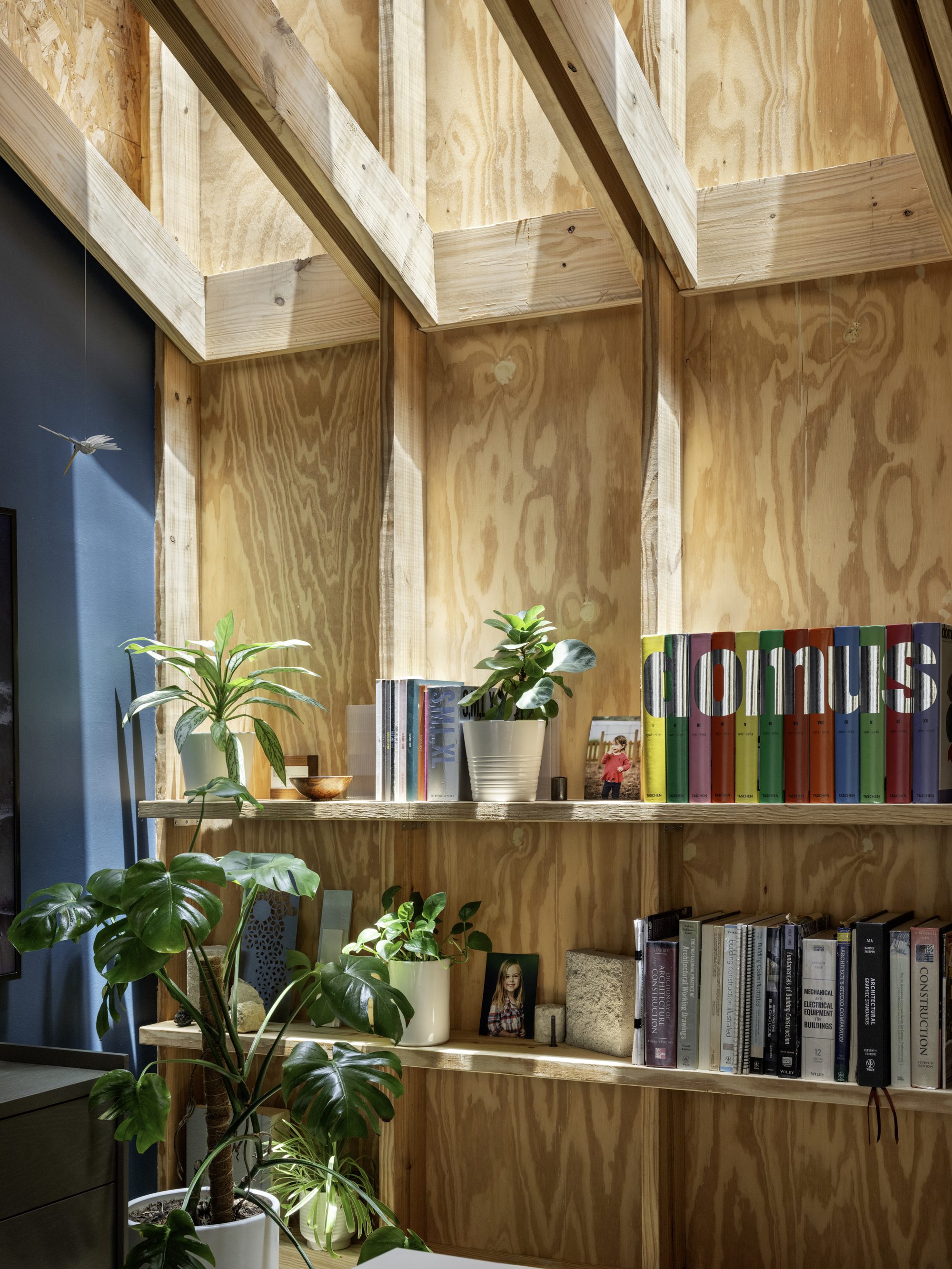
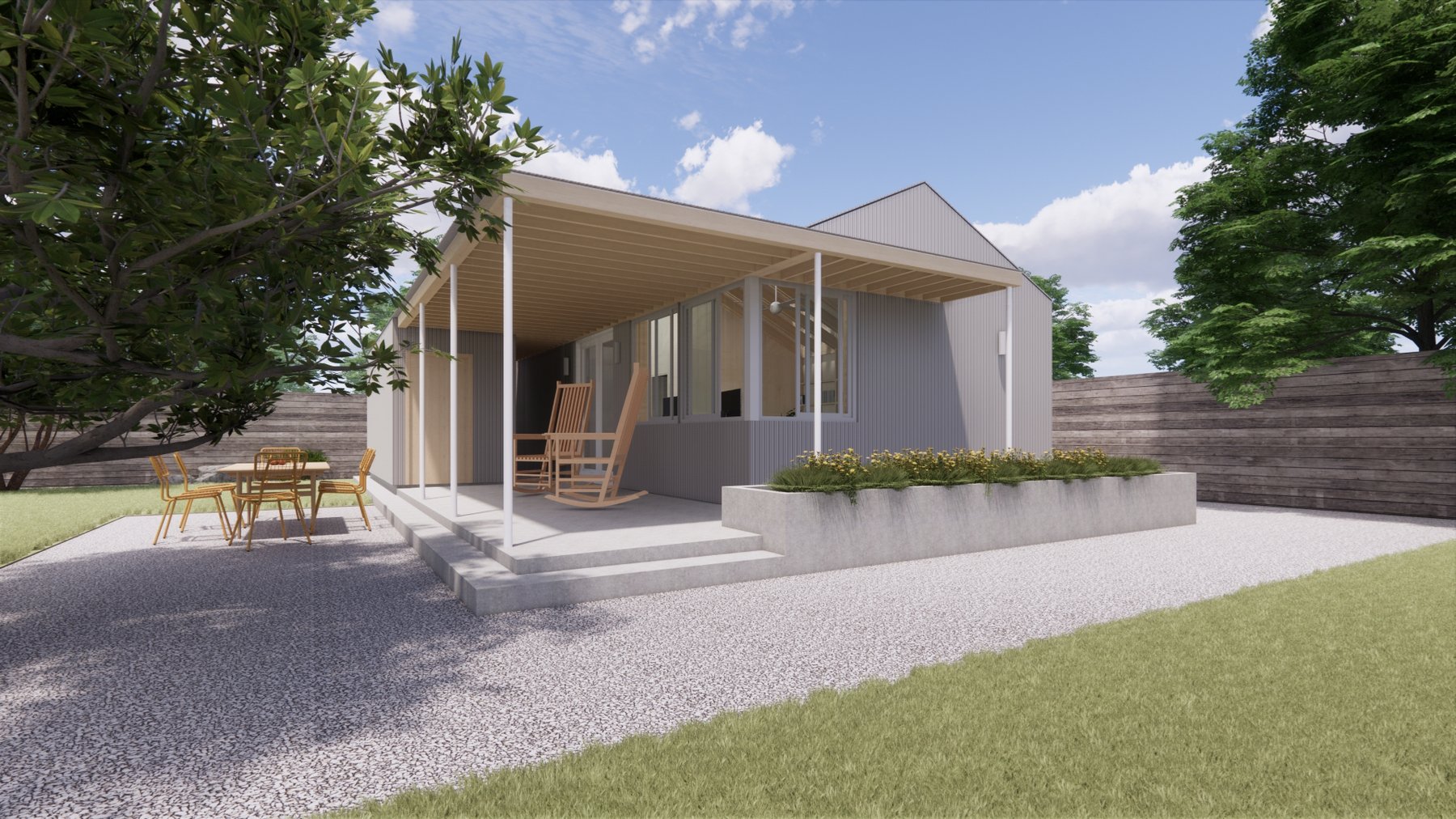
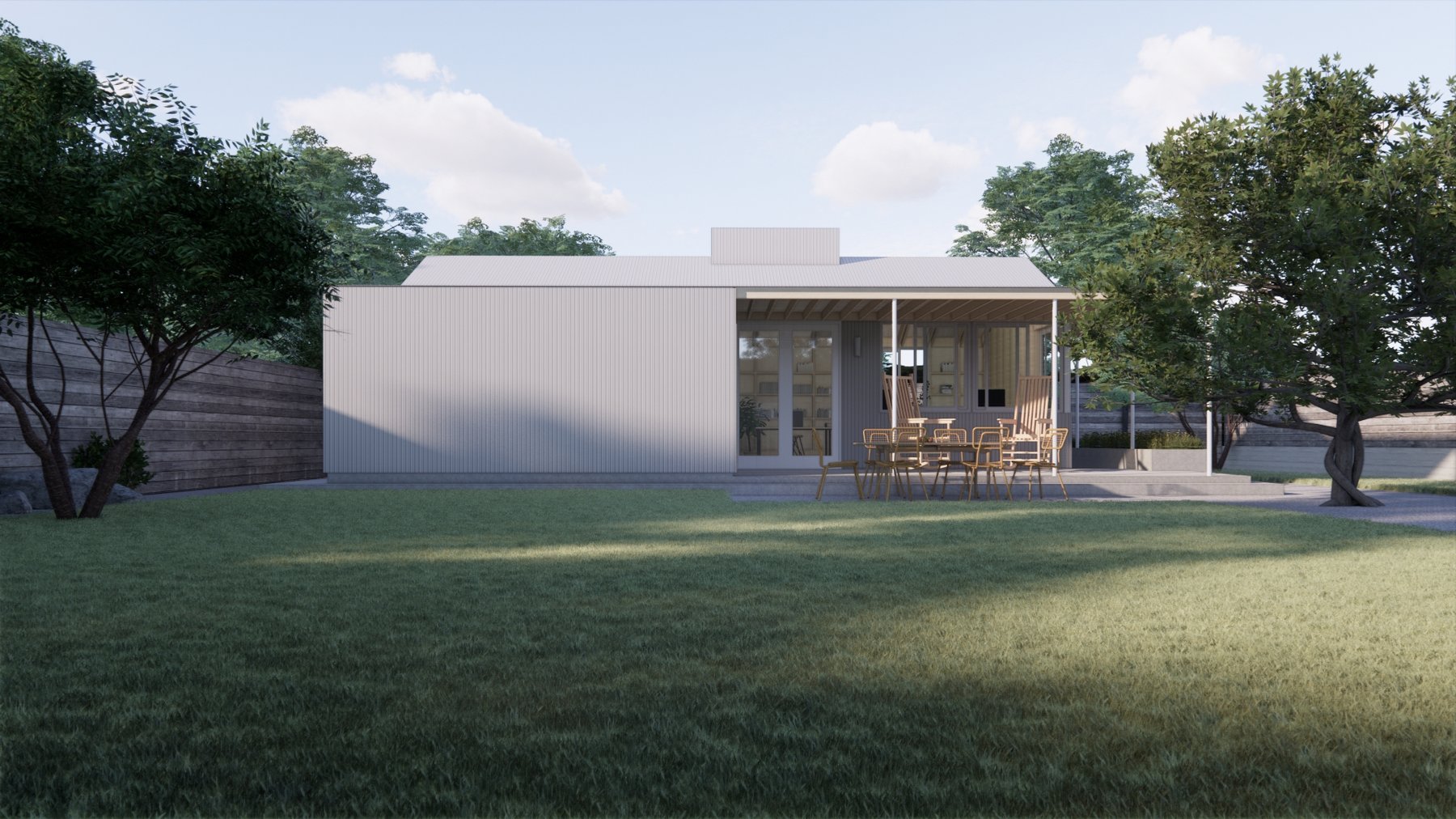
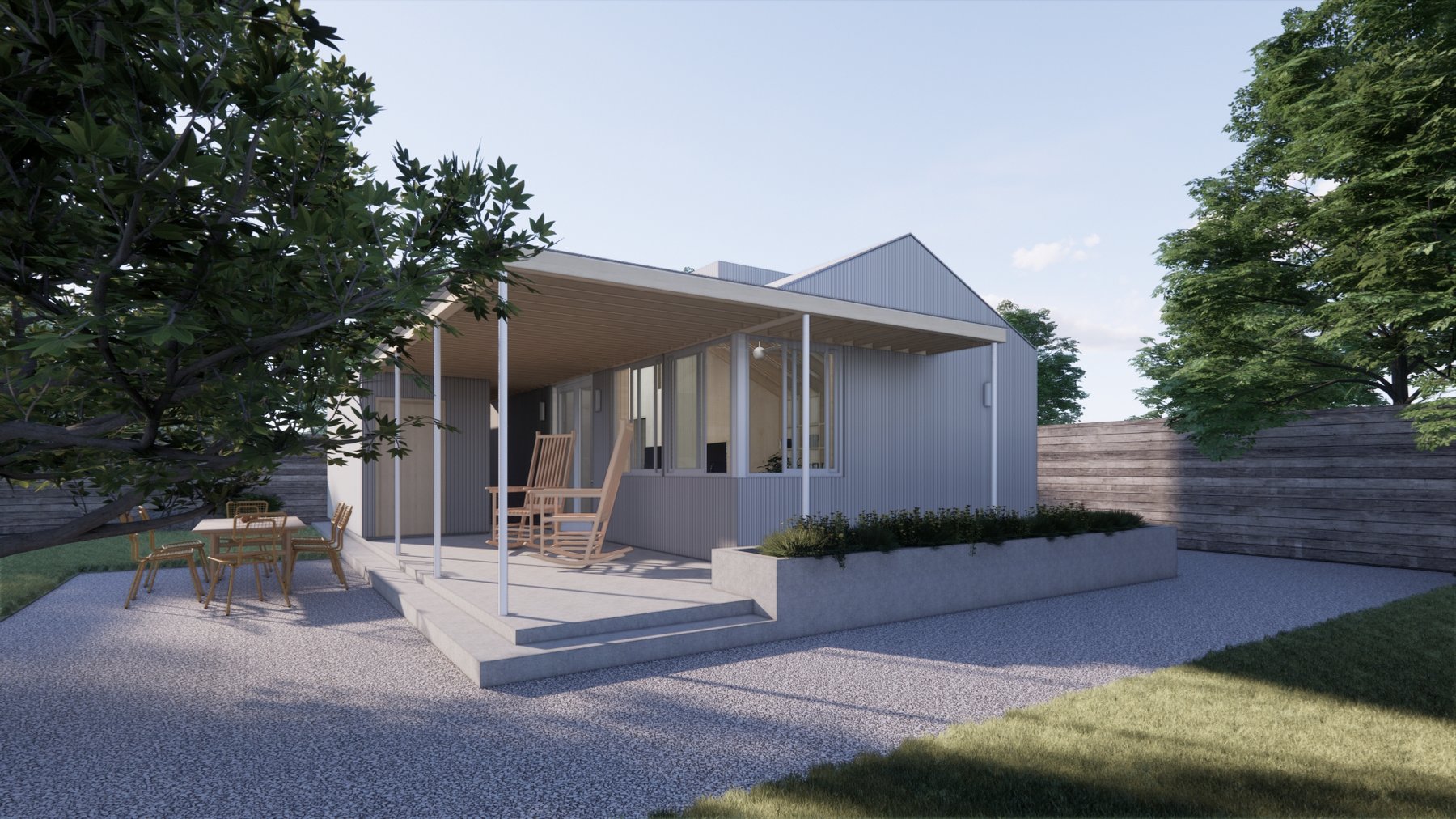
The building has no cavity walls. The framing is left exposed inside, transformed from a hidden structural assembly into a visible architectural one. Insulation is placed exterior to the framing, the way Japanese, Scandinavian, and Alpine traditions have done for centuries — but rendered through the lens of American industrial practicality, with off-the-shelf members and accessible fasteners. The form echoes the gable scale of the surrounding houses; the detailing is what makes the building feel deliberate rather than vernacular.
Construction approach
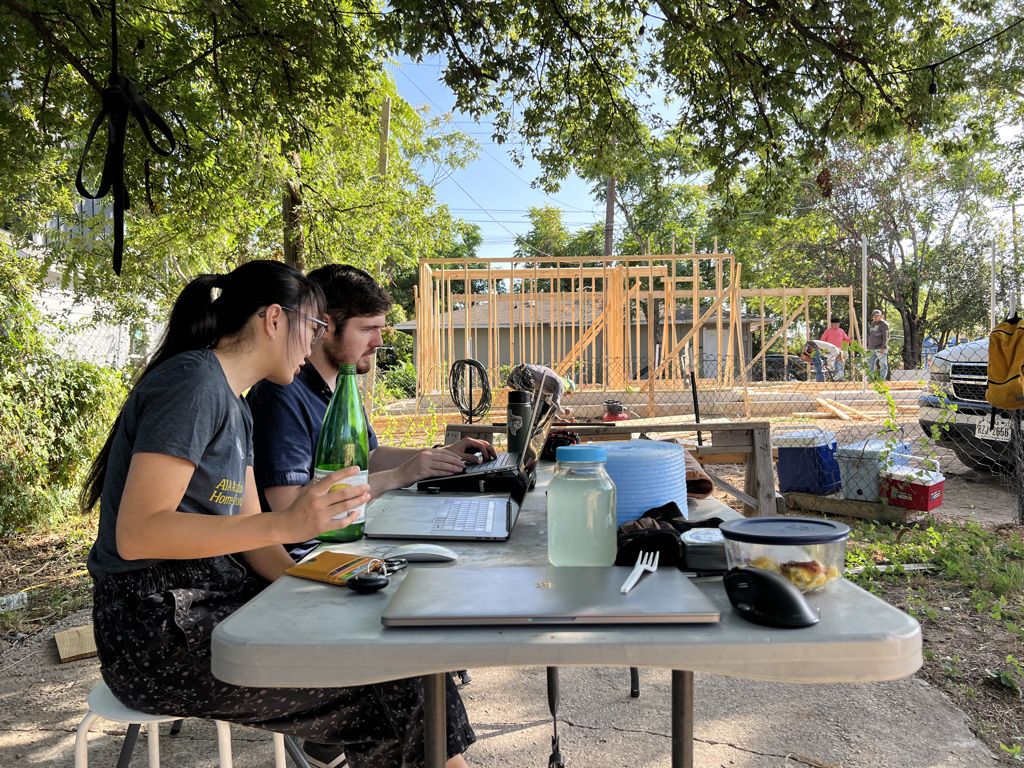
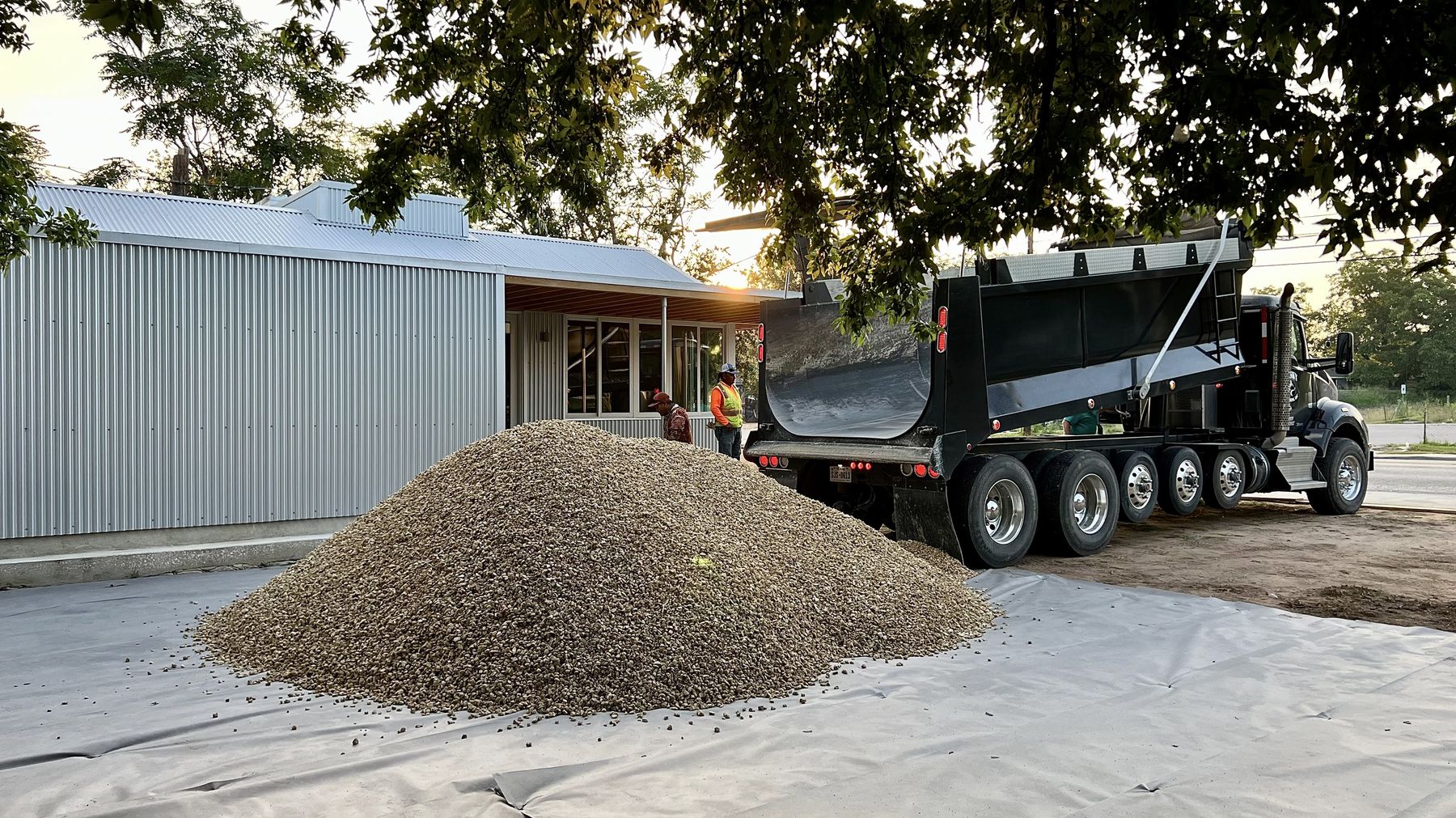
The studio built much of the project itself, which let us refine details on the floor rather than at the desk and produced a closer record of how the assembly performs. The exposed structure removes the most common sources of building failure — concealed moisture, hidden pest pathways, inaccessible mechanical work — and pushes maintenance decisions out into the open where they can be addressed early.
Outcome
The Architect’s Studio is the studio’s most direct argument for the rest of its work. Dezeen featured it in October 2025 as an example of “intentionally practical” architecture; the project has since become a working test case for the cavity-free assembly we now propose to other clients evaluating low-maintenance commercial structures. It is also the only building in the portfolio in which the architect is also the contractor, the client, and the resident-elect.